
After the Crash: The Hidden Effects of Auto Injuries on Your Body
- May 10
- 3 min read

A car accident can change how your body feels and functions, even if the collision seemed minor. Some injuries are easy to notice right away, while others take days or weeks to appear. Many people continue their routine after an accident, only to experience stiffness, headaches, or back pain later.
The body absorbs a great amount of force during impact. As a result, muscles, joints, and ligaments may become strained without visible signs of injury. Early care can help prevent long-term discomfort and improve recovery.
Why Some Injuries Are Delayed?
After a stressful event like a car accident, adrenaline rises quickly. This natural response can temporarily reduce the feeling of pain. Once the body relaxes, symptoms often begin to appear.
Delayed symptoms may include:
Neck tension
Lower back discomfort
Shoulder pain
Muscle stiffness
Limited movement
Ignoring these warning signs may lead to ongoing physical stress and reduced mobility.
Common Areas Affected After an Accident
The body moves suddenly during a collision. Even a small impact can affect different parts of the musculoskeletal system.
Areas commonly affected include:
Neck and Shoulders
Whiplash is one of the most frequent accident-related injuries. Sudden movement places stress on muscles and joints around the neck.
Lower Back
The lower spine absorbs pressure during impact. Pain may increase while sitting, bending, or standing for long periods.
Hips and Knees
Twisting movements during an accident may create joint strain and discomfort that limits movement.
Understanding the Recovery Process
Healing after an accident is not always immediate. Some people recover within weeks, while others experience symptoms for much longer. Recovery often depends on how quickly treatment begins and how well the body responds.
During recovery, many individuals visit an Accident recovery chiropractor Woodland Hills to improve mobility and reduce physical tension naturally. Chiropractic care focuses on restoring movement and supporting the body’s healing process without invasive procedures.
Treatment plans may include:
Gentle spinal adjustments
Muscle therapy for tension relief
Mobility exercises
Stretching routines for flexibility
These methods help support recovery while improving physical balance.
How Chiropractic Care Helps the Body Heal?
Chiropractic care focuses on correcting alignment issues caused by sudden force or strain. When the spine and joints move properly, the body functions more efficiently.
This type of care may help:
Improve posture and flexibility
Reduce inflammation and stiffness
Support natural healing
Increase range of motion
Many patients notice better movement and reduced discomfort with consistent care.
The Importance of Early Treatment
Waiting too long after an accident can allow symptoms to worsen. Minor pain may slowly become chronic discomfort if the body does not heal correctly.
Early treatment helps:
Prevent muscle tightness from increasing
Improve circulation and recovery
Reduce stress on joints
Support long-term mobility
Prompt care often leads to smoother recovery and better physical function.
Staying Active While Healing
Although rest is necessary, too much inactivity may slow recovery. Controlled movement keeps muscles active and joints flexible.
Helpful recovery activities include:
Short walks
Gentle stretching
Low-impact exercises
Guided mobility training
These activities improve circulation and help reduce stiffness during recovery.
Recognizing Signs, You Need Professional Care
Some symptoms should never be ignored after an accident. Even mild discomfort can indicate underlying stress on the body.
Seek professional support if you experience:
Persistent headaches
Pain that worsens over time
Difficulty turning your neck
Tingling or numbness
Limited mobility during daily tasks
At this point, many people begin searching for an Auto Accident Chiropractor Woodland Hills to receive focused care for injury recovery and improved movement.
The Role of Posture During Recovery
Poor posture can place additional pressure on injured muscles and joints. After an accident, the body may naturally compensate for pain by changing movement patterns.
This can lead to:
Uneven muscle tension
Increased back discomfort
Shoulder imbalance
Reduced flexibility
Postural correction exercises are often recommended to help the body heal properly.
Building Healthy Recovery Habits
Small daily habits can support healing and reduce physical stress after an accident.
Helpful habits include:
Sleeping in supportive positions
Staying hydrated
Avoiding heavy lifting during recovery
Taking breaks from prolonged sitting
Following guided stretching routines
These adjustments help protect the body while healing progresses.
What Happens During a Chiropractic Appointment?
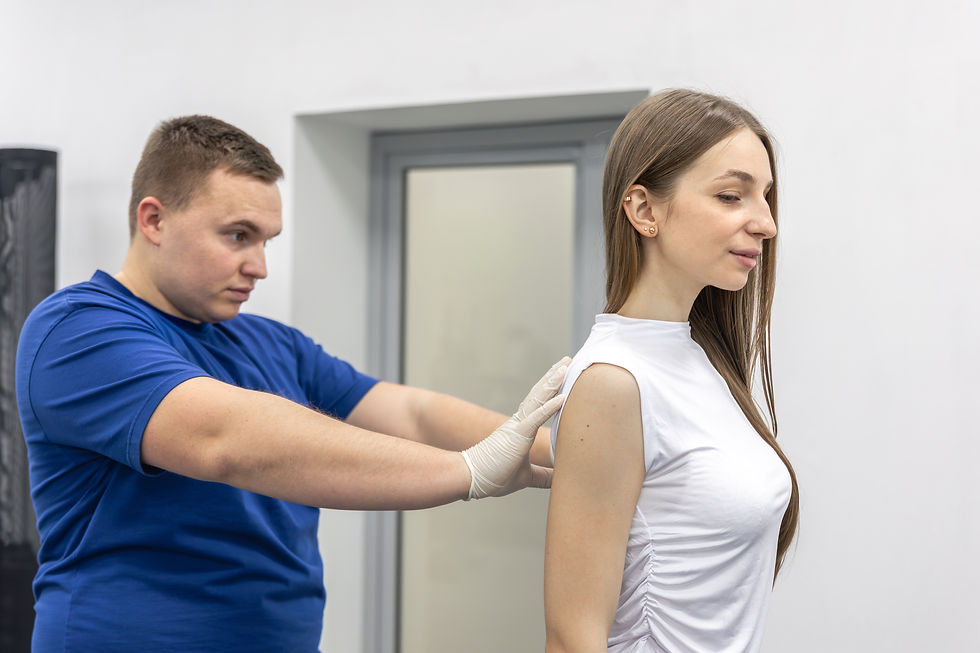
For first-time patients, chiropractic visits are designed to be comfortable and informative. Care begins with understanding the patient’s symptoms and movement limitations.
A typical appointment may include:
Health consultation and injury discussion
Physical assessment and posture evaluation
Gentle treatment techniques
Recovery guidance and exercise recommendations
Each visit is tailored to support safe and effective healing.
Supporting Long-Term Wellness After an Accident
Recovering after a collision involves more than temporary pain relief. The body must regain strength, balance, and flexibility to function properly again.
With proper care, movement training, and consistent recovery habits, many individuals are able to return to daily activities with improved comfort, mobility, and confidence.


Comments