
Recovering from Workplace Injuries: A Practical Guide to Safe Healing and Lasting Mobility
- Jan 29
- 5 min read

Workplace injuries can happen in many ways. A sudden fall, a repetitive lifting task, or long hours at a desk can slowly strain muscles and joints. Although some pain may seem minor at first, it can grow into a lasting problem if ignored. Because of this, early care and proper guidance are important for both short-term relief and long-term health.
Understanding how the body reacts after an injury helps people make better choices. Muscles may tighten to protect the area. Joints may lose normal motion. At the same time, nerves can become irritated, which may cause pain to travel to other parts of the body. When these changes are addressed early, recovery is often smoother and faster.
How Work Injuries Affect the Body?
A workplace injury does not only involve the spot that hurts. The entire movement system can be affected. For example, when the lower back is strained, nearby muscles may overwork to protect the area. As a result, stiffness and fatigue can spread to the hips or shoulders.
Common effects include:
Reduced range of motion
Muscle weakness or tightness
Inflammation around joints
Changes in posture or walking pattern
Headaches caused by neck or upper back tension
These changes may not appear all at once. Instead, they often build slowly. Therefore, even mild pain should be taken seriously and observed closely.
Why Early Assessment Matters?
An early assessment allows the source of pain to be identified. It also helps rule out serious damage. In many cases, soft tissue injuries can heal well when they are managed properly. However, without care, they may turn into long-term problems.
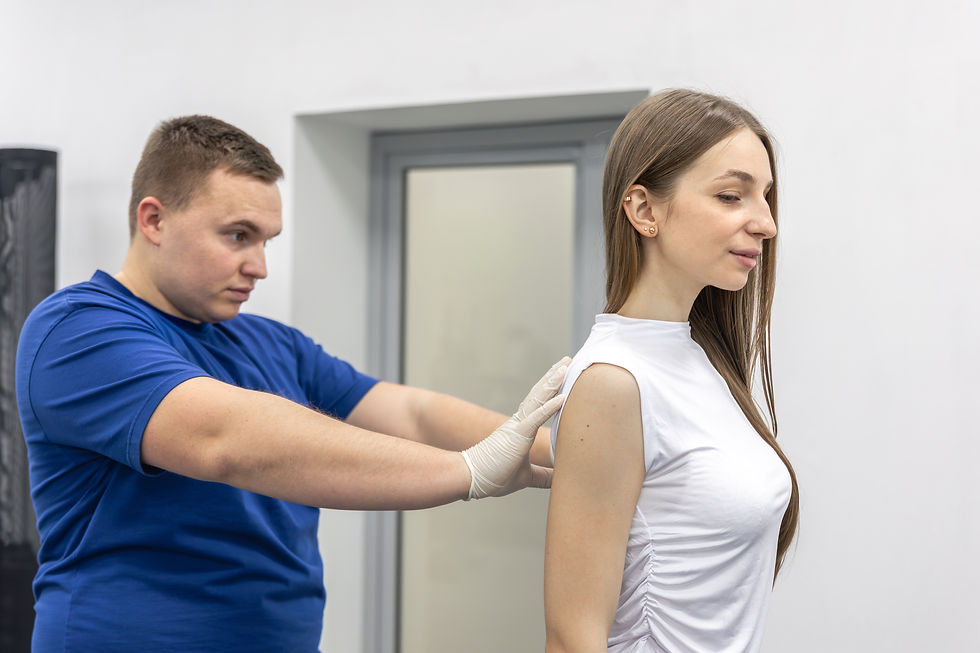
During an evaluation, posture, movement, and muscle balance are checked. The spine is also examined because it plays a central role in overall body function. When alignment is off, stress is placed on surrounding tissues. By correcting these issues, pressure can be reduced and healing can be supported.
Gentle Care for Muscles and Joints
Treatment for work-related injuries often focuses on restoring normal movement. This may include:
Manual therapy to relax tight muscles
Joint mobilization to improve motion
Stretching exercises to reduce stiffness
Strength training to support weak areas
These methods are designed to work together. While pain is eased, the body is also guided back to healthy patterns of movement. As a result, daily tasks become easier to perform.
The Role of Spinal Alignment in Recovery
The spine protects the nervous system and supports the body’s weight. When it is not aligned well, signals between the brain and muscles may not flow smoothly. This can slow healing and increase discomfort.
By improving spinal alignment, pressure on nerves can be reduced. Blood flow may also improve, which helps bring oxygen and nutrients to injured tissues. Because of this, care that focuses on the spine is often a key part of recovery from workplace injuries.
When Specialized Care Is Needed?
In some cases, pain continues even after rest and basic treatment. At this stage, a more focused approach may be helpful. A work injury chiropractor Woodland Hills can evaluate how the injury has changed movement patterns and posture over time. This type of care is often used to:
Reduce joint restrictions
Improve flexibility
Support nerve function
Guide safe return to work activities
By addressing the root cause rather than only the symptoms, long-term relief can be encouraged.
Managing Pain While Staying Active
Staying active is important, yet it must be done safely. Light movement can help keep joints flexible and muscles strong. However, overdoing activities too soon may slow recovery.
A balanced plan often includes:
Short, frequent walks
Gentle stretching routines
Posture awareness during sitting and lifting
Regular breaks from repetitive tasks
Through these steps, the body can heal without being placed under unnecessary stress.
Workplace Ergonomics and Injury Prevention
Prevention is always better than treatment. Simple changes in the workplace can lower the risk of injury. For example, adjusting chair height, screen level, and keyboard position can reduce strain on the neck and back. In addition, learning proper lifting techniques protects the spine and shoulders.
Helpful tips include:
Keeping the back straight while lifting
Using the legs instead of the lower back
Positioning screens at eye level
Taking short breaks to stretch and move
By following these practices, future injuries may be avoided and overall comfort can be improved.
Supporting the Healing Process at Home
Recovery does not stop after a clinic visit. Home care plays a large role in how quickly and fully the body heals. Applying ice or heat, as advised, can help manage swelling and muscle tension. Gentle exercises may also be given to restore strength and flexibility.
In addition, good sleep supports tissue repair. Drinking enough water and eating balanced meals can further aid the healing process. When these habits are combined, the body is better prepared to recover.
Long-Term Benefits of Proper Rehabilitation
Proper rehabilitation does more than reduce pain. It helps restore confidence in movement. When people feel stable and strong, they are more likely to return to work without fear of re-injury.
Over time, improved posture and balanced muscle use can reduce daily strain. As a result, the risk of future problems may be lowered. This makes rehabilitation a valuable investment in long-term health.
Personalized Care for Different Types of Work Injuries
Every job places different demands on the body. Office workers may develop neck and shoulder tension from long hours of sitting. Construction workers may strain the back from heavy lifting. Repetitive tasks can also lead to overuse injuries in the wrists or elbows.
Because of these differences, treatment plans should be tailored. A personalized approach ensures that the specific needs of each person are addressed. This may include targeted exercises, posture training, and manual techniques designed for the type of work performed.
Integrating Therapy with Daily Life
For recovery to last, healthy habits must become part of daily life. Simple actions, such as standing up regularly, stretching during breaks, and maintaining good posture, can make a big difference.
When therapy is combined with these habits, results are often more stable. The body learns to move in safer ways, which supports long-term comfort and function.
A Holistic View of Workplace Recovery
Healing from a work-related injury involves more than treating pain. It includes understanding how the injury occurred, how the body responded, and how future problems can be prevented. By taking a holistic view, both physical and lifestyle factors are considered.
This approach helps ensure that recovery is complete rather than temporary. Strength, flexibility, and confidence are gradually restored, allowing people to return to their routines with greater ease.
Accessing Local Support for Recovery
Local care options make it easier to stay consistent with treatment. When support is close by, follow-up visits and progress checks can be done without long travel times. This consistency often leads to better outcomes.
For those seeking focused care, work injury treatment in woodland hills offers access to professionals who understand both the physical demands of work and the importance of safe, effective recovery methods. Through a combination of hands-on care, exercise guidance, and education, the path toward lasting relief can be made clearer and more manageable.


Comments